Standards
Understanding EN 388 and EN 407: What Glove Ratings Actually Mean
July 2026
5 min read
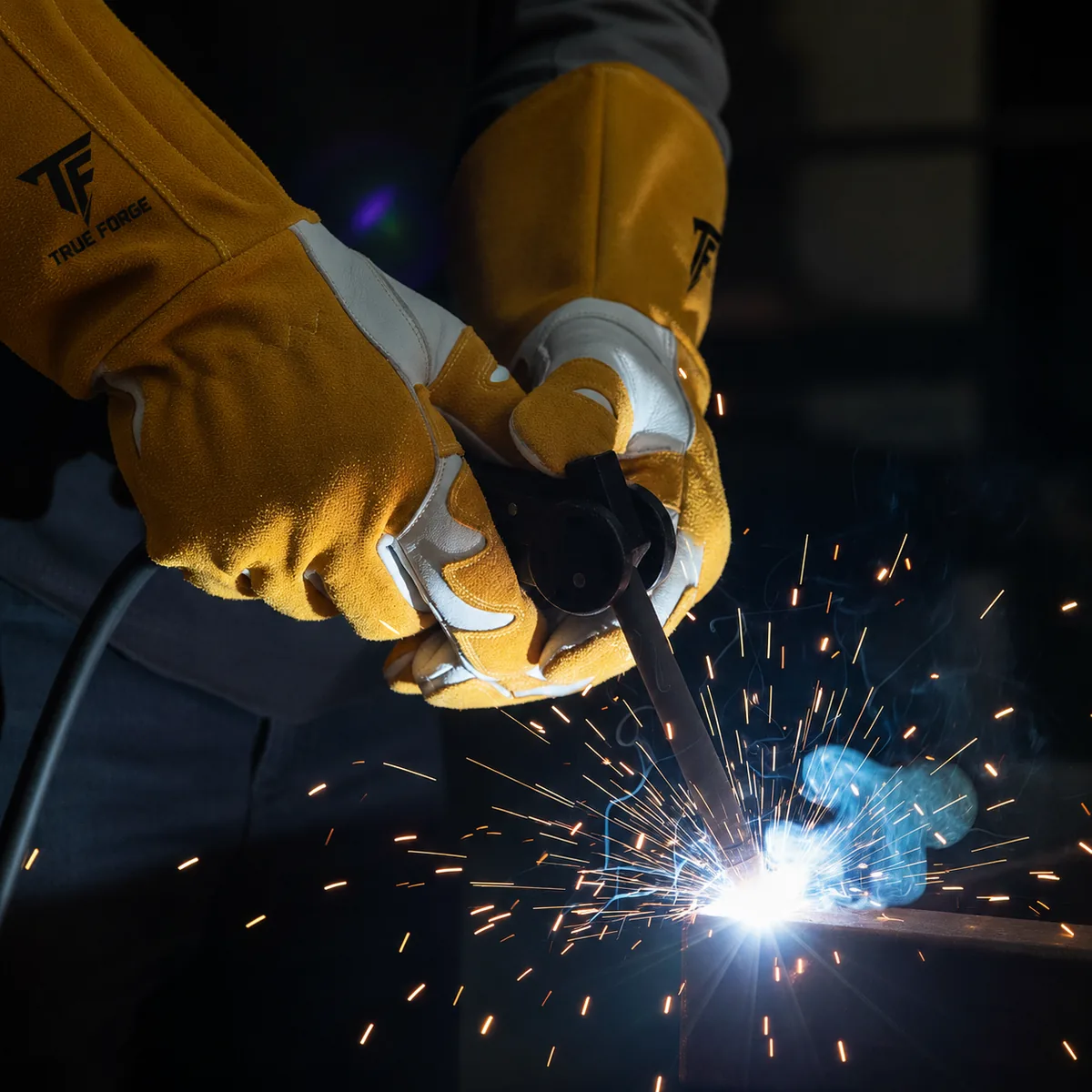
Every certified safety glove carries a set of pictograms and numbers. To a buyer they can look cryptic, but each digit is a tested, comparable performance level. Reading them correctly is the difference between specifying protection that fits the hazard and guessing.
EN 388 — mechanical risks
EN 388 covers abrasion, cut, tear and puncture. Each is scored on a scale, with higher numbers meaning greater resistance. For handling rough steel, rebar or sharp-edged stock, the cut and abrasion scores matter most; for assembly work, dexterity may take priority over the highest rating.
The point isn’t always to chase the top score — it’s to match the score to the real task, so protection is actually worn and not swapped out for comfort.
EN 407 — heat and flame
EN 407 rates thermal performance: burning behaviour, contact heat, convective heat, radiant heat and resistance to small and large splashes of molten metal. Welding and foundry work lean heavily on these ratings, particularly contact and radiant heat and molten-metal splash.
EN 12477 and EN ISO 11611 — the welding picture
EN 12477 is purpose-built for welders’ gloves and typically references both EN 388 and EN 407. EN ISO 11611 covers protective clothing for welding and allied processes. Together they describe a system of protection — glove, sleeve and garment — designed to work as one.
When you specify True Forge welding products, these standards are the baseline the range is engineered to meet — verifiable performance, not a claim on a label.
Request a Quote
Let’s build something safer
Tell us your product, quantity and industry — our team will get back to you promptly.